Custom Coloring Books: How To Create Personalized Pages For Gifts, Learning, And Relaxation In 2026

Custom coloring books can be surprisingly useful. They’re thoughtful gifts, low-prep classroom tools, calming wellness activities, and smart branded handouts, all at once.
And unlike generic books off a store shelf, custom coloring books let you choose exactly what goes on the page. A child can color their own pet. A teacher can turn a science unit into printable pages. A therapist can use familiar images to lower resistance. A small business can hand out a branded activity people actually keep, which means your idea lasts longer than a flyer.
If you’ve been wondering how to make custom coloring books without getting stuck on design or printing choices, this guide walks you through it step by step. We’ll cover planning, page creation, printing, and the mistakes that make a book look amateur. We’ll also show where a tool like ColorBliss can help, especially if you want to turn photos, prompts, or rough sketches into clean line art fast, which means less time fiddling and more time creating.
Key Takeaways
- Custom coloring books stand out by offering personalized content that boosts engagement and lasting value, making them ideal gifts, educational tools, and marketing materials.
- Effective planning for your custom coloring book involves choosing a clear audience, a focused theme, and an appropriate page count to maintain cohesion and purpose.
- Transforming photos, text prompts, or sketches into clean line art with tools like ColorBliss simplifies creation and reduces the need for advanced drawing skills.
- Select paper size, binding, and printing styles thoughtfully to enhance usability, comfort, and the overall aesthetic of your coloring book.
- Tailor page detail levels to suit your target audience, from bold, simple shapes for young children to intricate patterns for adults, ensuring the book is accessible and enjoyable.
- Avoid common pitfalls such as overcrowded pages, unclear printing tests, and overly aggressive branding to maintain a professional, user-friendly custom coloring book.
What Makes A Custom Coloring Book Worth Creating
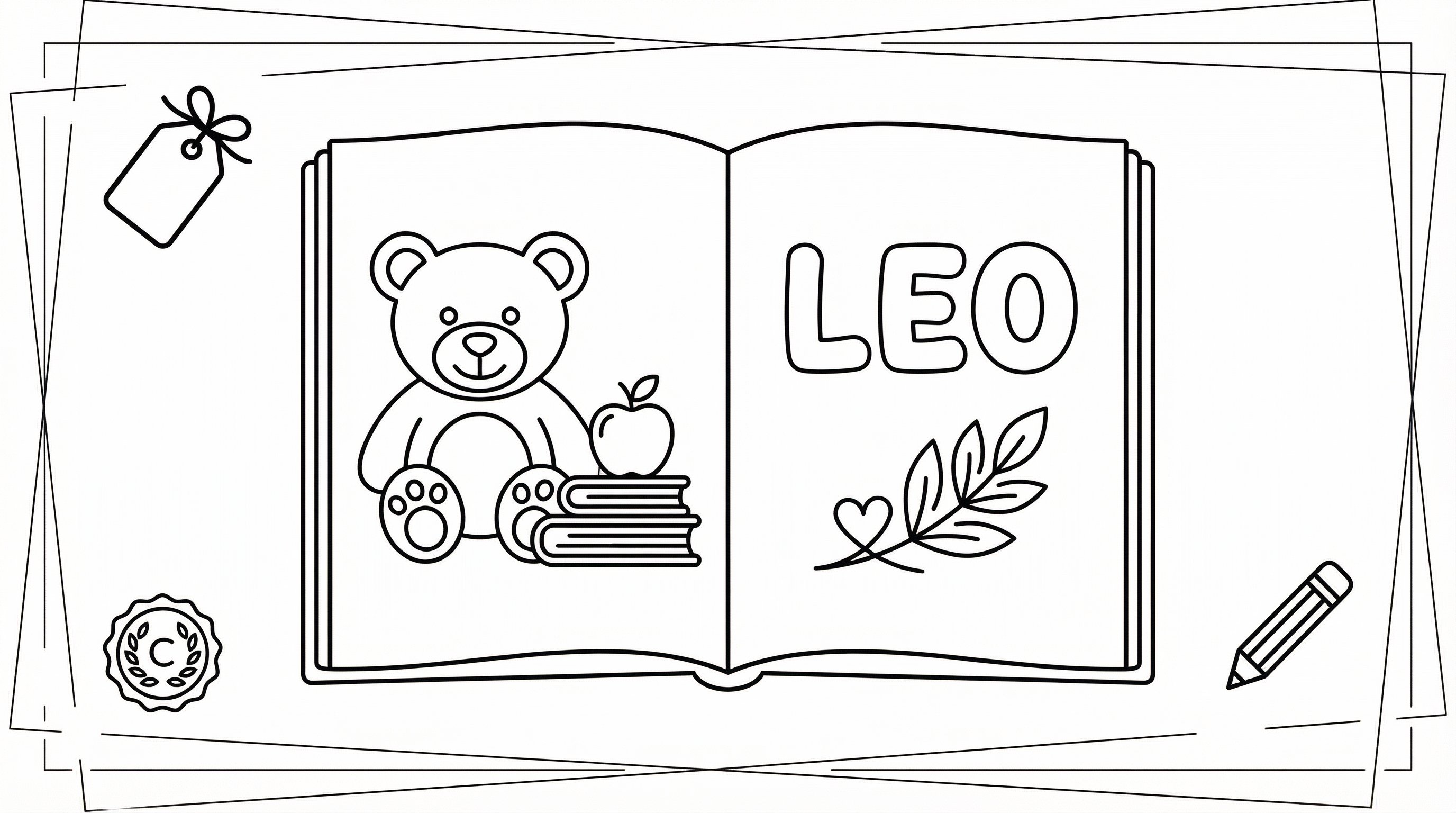
Custom coloring books do more than fill time. They create personal relevance, which means people are more likely to engage with the pages, finish them, and remember the experience.
That matters whether you’re making a birthday gift, a classroom packet, or a conference giveaway. Familiar characters, names, places, and themes make coloring feel personal instead of generic.
There’s also a wellness angle here. Research on coloring and structured creative activities suggests benefits tied to stress reduction, focus, and relaxation, which means custom coloring books can support calm routines for both kids and adults. They’re not a cure-all, of course. But they can be a practical, low-pressure tool.
For creators, custom coloring books are flexible. You can make a 6-page mini book for an event or a 30-page printable set for a classroom unit. You can keep it simple, or make it polished enough to sell.
Who Custom Coloring Books Work Best For
Custom coloring books work especially well for people who need accessible creativity. That includes:
- Parents who want personalized birthday, travel, or rainy-day activities, which means less screen time and more buy-in from kids
- Teachers who want curriculum-aligned pages, which means coloring becomes part of learning instead of a random extra
- Therapists and counselors who use art-based activities, which means clients can engage without the pressure of “making art from scratch”
- Small businesses and churches that want memorable handouts, which means people interact with the material longer
- Adults seeking mindfulness through coloring, which means they can use familiar themes that feel comforting or fun
Who is this not for? If you need a highly detailed, mass-market published art book with licensed characters, this DIY route may not be the best fit. But if you want something personal, practical, and printable, custom coloring books are a strong option.
Popular Ways To Use Custom Coloring Books
Some of the most effective uses are also the simplest:
- Birthday gifts with the child’s name, favorite animals, or family photos
- Classroom packets tied to seasons, reading themes, or science units
- Therapy or counseling sessions with calming prompts and familiar images
- Travel kits for cars, planes, and waiting rooms
- Conference or trade show giveaways with branded covers and relaxing pages
- Employee welcome kits or wellness packs
- Holiday activity books for churches, community groups, and family events
A custom coloring book can also work as a soft marketing tool. A branded activity book feels useful rather than promotional, which means people are more likely to keep it around.
Do this today: Pick one use case, gift, classroom, wellness, or business, and write down the single outcome you want in 5 minutes. That decision will make every later step easier.
How To Plan Your Coloring Book Before You Make It
Most custom coloring books go wrong before the first page is even designed. Usually the problem is fuzzy planning.
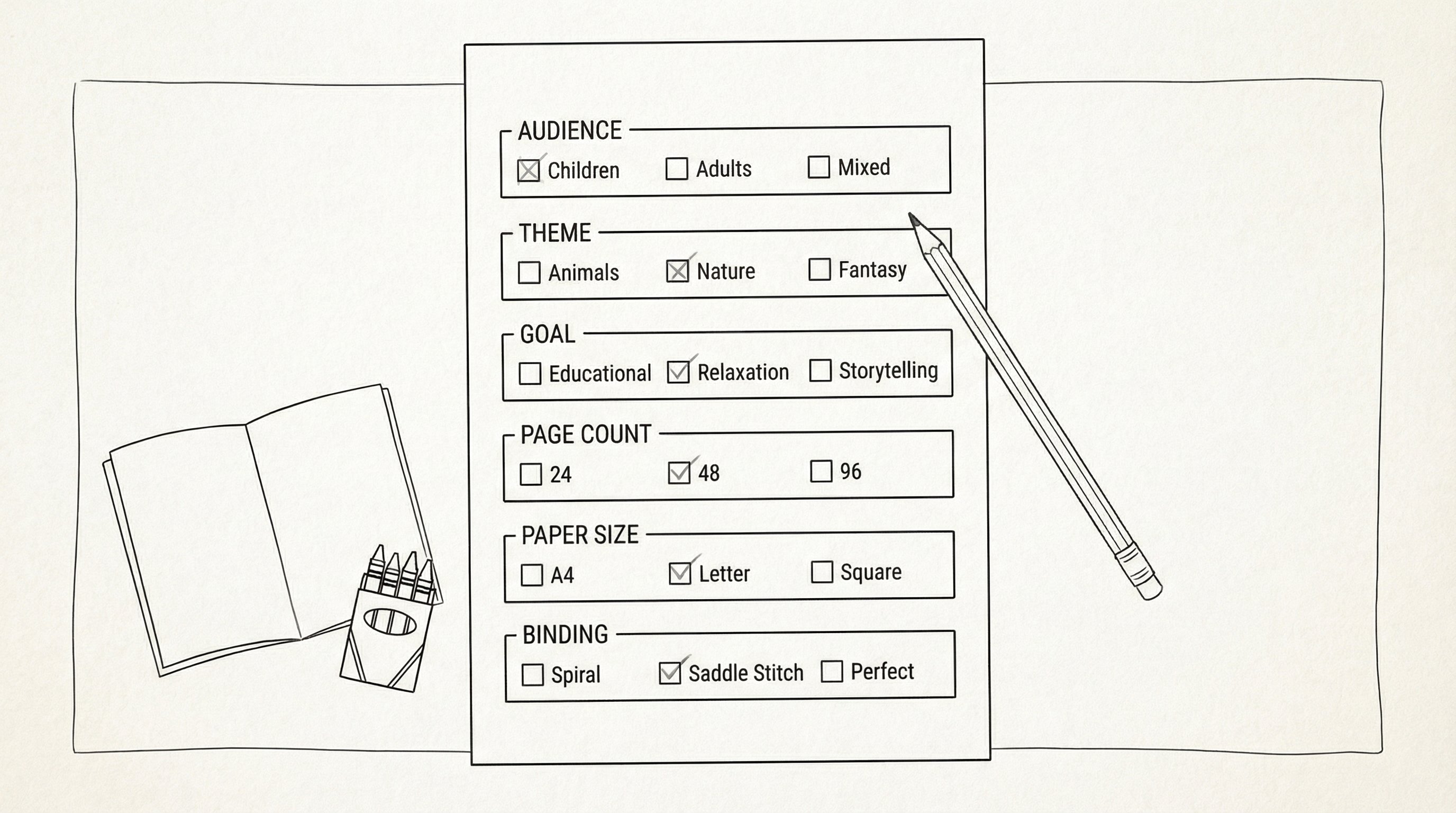
Start with three decisions: who it’s for, what it’s about, and how long it should be. That gives your book a clear shape, which means you won’t end up with random pages that don’t belong together.
Choose A Theme, Audience, And Page Count
Your theme should be narrow enough to feel intentional. “Animals” is okay. “Woodland animals for preschool scissor-and-color stations” is much better, which means the pages will feel cohesive.
Here’s a quick way to plan it:
- Audience: preschool kids, elementary students, teens, adults, therapy clients, event attendees
- Theme: birthdays, local landmarks, Bible stories, farm animals, mindfulness patterns, company mascots
- Goal: fun, education, calming, promotion, memory-making
- Page count: 6–10 for mini books, 12–20 for standard printables, 20–30 for fuller books
A few examples:
- A preschool custom coloring book might have 8 bold, simple pages with large shapes, which means little hands can actually color them
- An adult mindfulness book might use 20 more detailed pages, which means it supports slower, focused coloring sessions
- A teacher-made classroom book might include 12 pages tied to one unit, which means it fits neatly into lesson plans
If you’re using ColorBliss, you can start from a text prompt, a photo, or a sketch, which means you don’t need to be a trained illustrator to build a theme quickly.
Decide On Paper Size, Binding, And Printing Style
This part matters more than people expect. Good content printed badly still feels disappointing.
For most custom coloring books, these are the easiest options:
- US Letter (8.5 x 11 in.) for home printers and classrooms, which means easy, affordable printing
- A4 if you’re printing in regions that use standard international sizes, which means fewer formatting surprises
- Half-page booklets for party favors or event handouts, which means lower print cost and easier distribution
For binding, consider:
- Stapled booklet for short books under roughly 20 pages
- Spiral binding for activity books that need to lay flat, which means coloring is more comfortable
- Loose printable pages for classrooms or therapy offices, which means pages can be reused selectively
For printing style:
- Use a full-color cover if branding or gifting matters, which means the book looks more polished right away
- Keep interior pages black and white for actual coloring use, which means lower cost and cleaner function
- Test paper thickness if you expect markers, which means less bleed-through and less frustration
And don’t forget practical extras. Adding a small pack of crayons or pencils increases the chance someone will use the book immediately, which means better engagement.
Start by sketching your book plan on one page: audience, theme, page count, size, and binding. Give yourself 10 minutes. That’s enough to avoid most planning mistakes.
How To Create Custom Coloring Pages From Ideas, Photos, Or Sketches
This is where custom coloring books become fun. You don’t need to draw every page by hand.
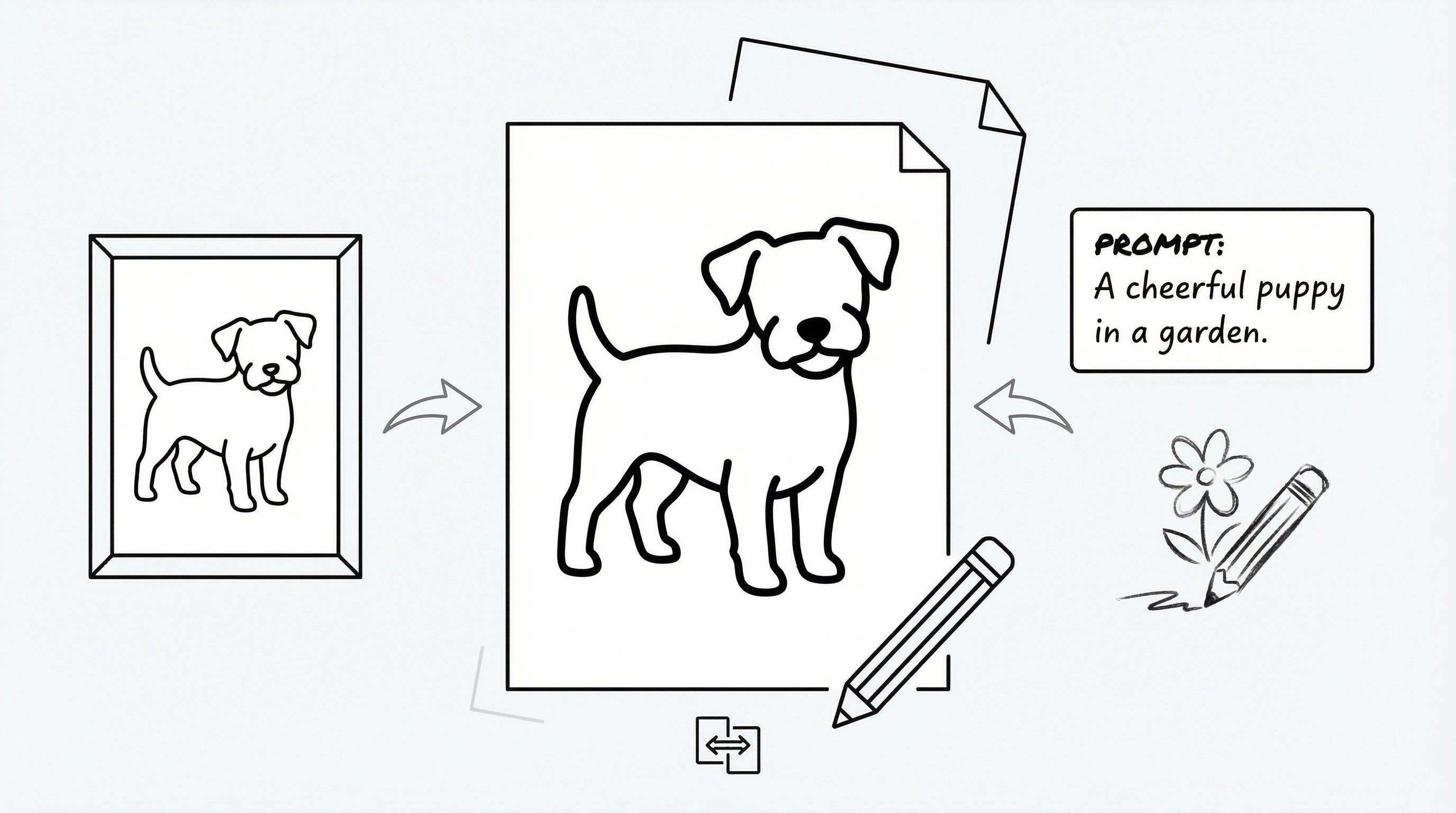
You can create custom coloring pages from personal photos, written prompts, or rough sketches, which means the process is much more accessible than most people think. The goal is simple: clean line art with shapes that are easy and satisfying to color.
Turn Personal Photos Into Printable Line Art
Photos are one of the best starting points for custom coloring books because they make the pages instantly meaningful. A child’s dog, a family vacation photo, or a classroom pet becomes part of the book, which means the finished pages feel special.
Here’s a simple process:
- Choose a clear photo with strong contrast and a simple subject.
- Avoid busy backgrounds if possible, because too much visual clutter turns into messy outlines.
- Convert the image to line art using a photo-to-coloring-page tool such as ColorBliss, which means you can get printable outlines in minutes.
- Review the details and remove tiny shapes that will be frustrating to color.
- Print one test page before building the whole book.
Best photo subjects include:
- Pets
- Family homes
- Favorite toys
- Class mascots
- Local landmarks
- Vehicles
- Simple portraits
This method is best for parents, teachers, and gift-makers who want emotional connection. It’s less ideal for very dark, blurry, or crowded photos.
Create Original Pages From Text Prompts Or Simple Drawings
If you don’t have photos, or you want a more imaginative look, start with a prompt or sketch.
A text prompt can describe nearly anything: “friendly forest animals for preschoolers,” “floral birthday cake with balloons,” or “simple community helpers coloring page.” A generation tool turns that idea into line art, which means you can create pages around a theme without needing strong drawing skills.
A few prompt tips:
- Ask for clean black-and-white line art, which means better print results
- Mention the audience age, which means the detail level fits the user
- Keep the scene focused on one main subject, which means the page won’t feel overcrowded
- Specify bold outlines for younger kids, which means easier coloring success
If you prefer to sketch first, even a rough doodle can help. You can draw the basic composition, then refine it digitally or through a conversion tool.
Try page types like:
- Character pages
- Seasonal scenes
- Name art pages
- Pattern pages
- Educational diagrams
- Reward or reflection pages
For a full custom coloring book, mix formats. Use some photo-based pages, some prompt-based pages, and a few simple activity pages. That variety keeps the book interesting, which means people are more likely to keep using it.
Try this today: Create one page from a photo and one from a text prompt in 15 minutes. Compare them side by side and decide which style fits your custom coloring book best.
How To Make Your Coloring Book Fun, Clear, And Printable
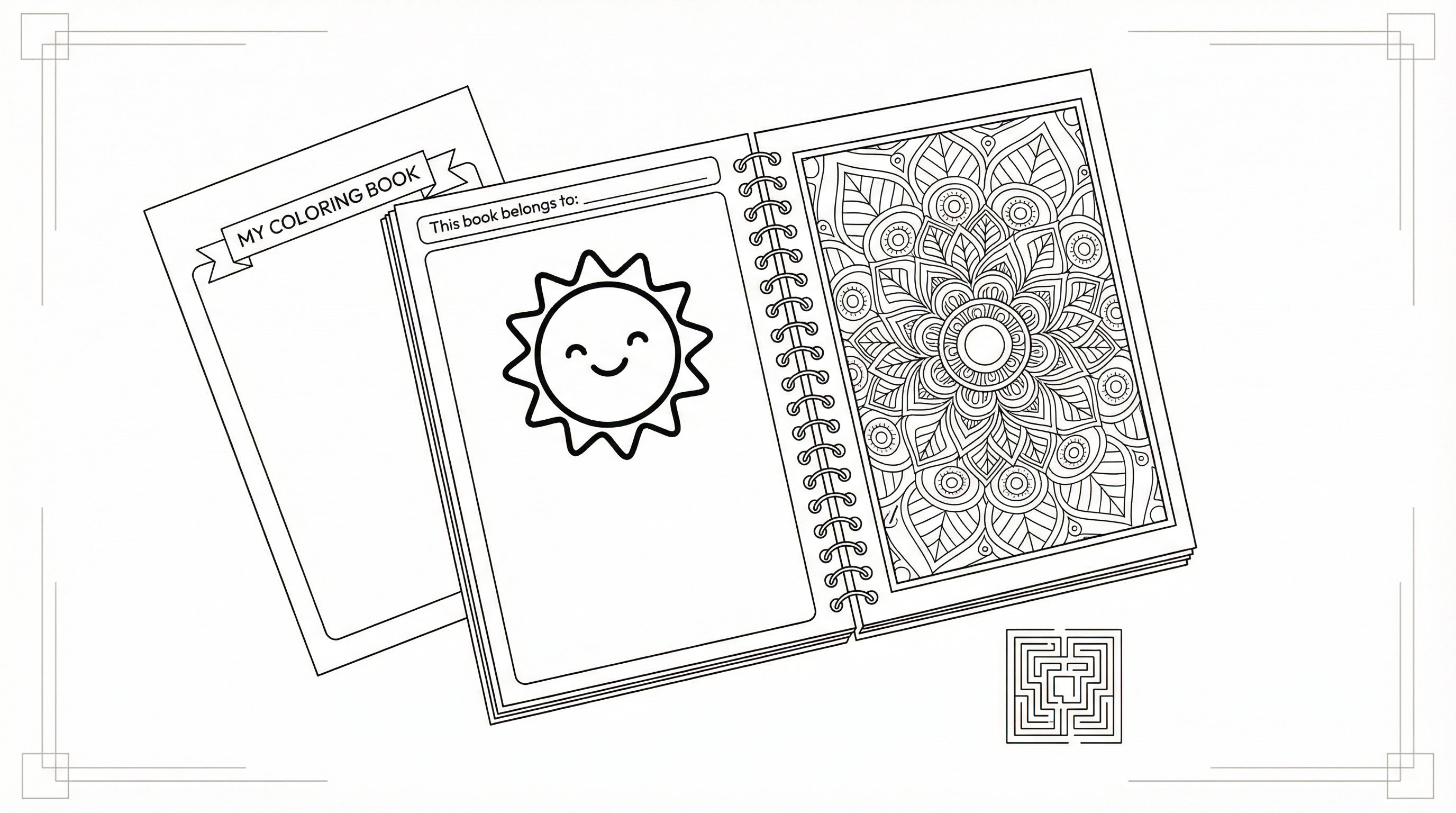
A good custom coloring book is easy to understand at a glance. People should know what to color, where to start, and what the book is for.
Clarity matters. If lines are too faint, details are too tiny, or page layouts feel chaotic, the book won’t get used much, which means all that effort gets wasted.
Match Detail Level To Kids, Adults, Or Classroom Use
This is one of the biggest quality decisions you’ll make.
For young kids, use:
- Thick outlines
- Large open spaces
- One main object per page
- Minimal background clutter
Which means they can finish pages successfully without getting overwhelmed.
For older kids and classrooms, use:
- Moderate detail
- Recognizable scenes tied to lessons
- Space for labels or short writing prompts
Which means the page can support both art and learning.
For adults, use:
- Finer patterns
- More texture
- Mandalas, florals, city scenes, or calming imagery
Which means the activity feels absorbing enough to support focus and relaxation.
If you’re making custom coloring books for mixed ages, don’t force one detail level across every page. Build a progression instead, simple pages first, more detailed pages later.
Add Covers, Name Pages, And Simple Activity Extras
These extras make a custom coloring book feel finished. They also increase usefulness.
A few easy additions:
- A custom cover with the book title or recipient’s name, which means the book feels gift-worthy or brand-ready
- A name page or “This book belongs to…” page, which means it feels personal right away
- A short intro page with coloring tips or theme context, which means users know how to use it
- Simple activities like mazes, tracing, word finds, or reflection prompts, which means the book has more replay value
- Blank back pages for free drawing, which means creativity isn’t boxed in
For classrooms, you might add:
- Vocabulary boxes
- Reflection questions
- Color-by-number elements
For businesses, you might add:
- A logo on the back cover
- A discount code page
- Event-specific messaging
Keep it light. Too many extras can make the book feel cluttered.
Before printing, check these basics:
- Lines are dark enough
- Margins are safe for printers
- No text is too close to the edge
- Every page prints clearly in black and white
Do this today: Print two sample pages on your actual printer and hand them to the intended user, kid, adult, student, or client. Watch where they hesitate. That tells you what to fix in under 20 minutes.
Creative Ideas For Parents, Teachers, Therapists, And Small Businesses
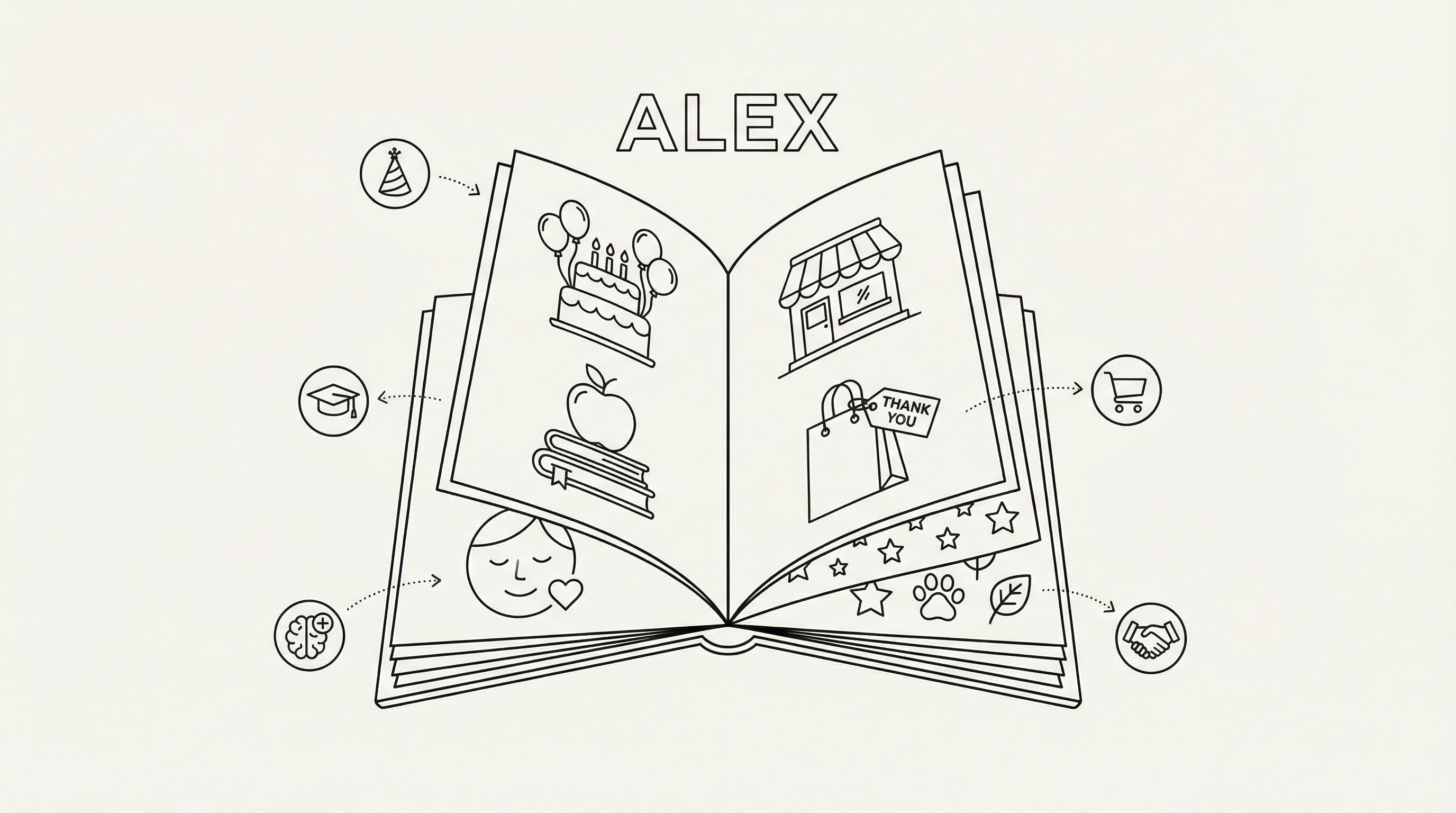
The best custom coloring books are built around real-life use. Not abstract ideas. Actual moments where people need something calming, personal, or practical.
Personalized Books For Birthdays, Classrooms, And Holidays
For parents, custom coloring books make strong gifts because they feel personal without being hard to use. A birthday book with the child’s name, favorite animals, and family members becomes an activity and a keepsake, which means it has value after the party too.
Good ideas for parents:
- Birthday party favors
- Road trip activity books
- Sibling-themed books
- Holiday countdown coloring sets
For teachers, custom coloring books work well when they support a lesson. Think life cycles, community helpers, historical figures, seasonal math, or literature themes, which means coloring reinforces content instead of interrupting it.
Good ideas for classrooms:
- Science unit coloring packets
- Read-aloud companion books
- Calm corner coloring sets
- Fast-finisher activity books
For therapists and counselors, familiar images and structured pages can reduce pressure. A book built around emotions, routines, coping tools, or safe places gives clients something concrete to work with, which means sessions can feel less intimidating.
Branded Or Niche Coloring Books For Events And Customer Gifts
Small businesses often overlook custom coloring books, which is a missed opportunity. A good branded book is useful, portable, and low-pressure.
That matters at:
- Trade shows
- Community fairs
- Waiting rooms
- Grand openings
- Client welcome kits
- Holiday mailers
A bakery might create a cupcake-themed mini book. A real estate agent might make a neighborhood landmarks book. A church might create an Easter or VBS activity booklet. A therapist’s office might offer calming pages in the waiting room.
Because the format is interactive, people spend more time with it, which means your brand or message stays visible longer than a postcard would.
If you want to create niche books quickly, ColorBliss is useful for generating pages from prompts, photos, or sketches, which means you can test ideas fast before printing larger runs.
Start by choosing one audience you already serve and planning a 6-page mini custom coloring book for them this week. That’s small enough to finish and useful enough to test.
Common Mistakes To Avoid When Making A Custom Coloring Book
Most custom coloring books don’t fail because the idea is bad. They fail because the execution gets rushed.
Here are the most common mistakes:
- Using detail that’s too complex for the audience, which means kids get frustrated or adults lose interest if the style feels off
- Crowding pages with too many objects, which means the line art prints muddy and feels stressful to color
- Skipping a print test, which means you don’t catch blurry lines, cut-off margins, or pages that look fine on screen but not on paper
- Forgetting the purpose of the book, which means the final product feels random instead of useful
- Ignoring practical setup, which means people get the book but have no pencils, crayons, or flat surface to use it
- Adding branding too aggressively, which means a business giveaway feels like an ad instead of an activity
- Using weak covers or no personalization, which means the book looks disposable
Another mistake? Making every page the same. A full book of nearly identical layouts gets dull fast.
Aim for consistency, not sameness. Repeat the theme, but vary the scenes, page density, and activity type.
Who is this advice for? Anyone making custom coloring books at home, for classrooms, for clients, or for events. Who is it not for? People outsourcing everything to a professional publishing team with custom prepress support.
Try this today: Review your draft book with a 5-point checklist, audience fit, print clarity, page variety, cover quality, and ease of use. Spend 10 minutes on it before you print anything in bulk.
Conclusion
Custom coloring books work because they combine personal meaning with simple use. That’s a rare mix.
You can make them for gifts, lessons, therapy, church events, business promotions, or your own relaxation routine. And you don’t need to be a professional illustrator to do it well. You need a clear purpose, a suitable detail level, and pages that print cleanly.
If you want the fastest route, start small. Make a 6-page custom coloring book around one theme. Use one photo-based page, a few prompt-based pages, and a simple cover. Test print it. Hand it to a real person.
That’s how good custom coloring books get made, not from overthinking, but from trying, adjusting, and improving.
Start now: open a blank document, choose your audience, and draft your first 6 page ideas in the next 10 minutes. Then turn them into printable pages and see what happens.
Frequently Asked Questions about Custom Coloring Books
What are the main benefits of creating custom coloring books?
Custom coloring books offer personalized engagement, stress reduction, and improved focus. They serve as meaningful gifts, educational tools, calming wellness activities, and effective branded giveaways that last longer than typical flyers.
Who can benefit most from using custom coloring books?
Custom coloring books work best for parents seeking personalized kids’ activities, teachers needing curriculum-related tools, therapists using art for therapy, small businesses wanting memorable marketing gifts, and adults practicing mindfulness.
How do I plan a custom coloring book effectively?
Start by defining your audience, theme, and page count to ensure cohesion. Choose suitable paper size, binding, and printing style based on usability and cost. Keeping a clear purpose avoids random or ineffective pages.
Can I create coloring pages from my own photos or sketches?
Yes, photos with clear subjects can be converted to line art using tools, making pages personal and meaningful. You can also generate original drawings or pages from text prompts for themed designs without needing drawing skills.
What printing and binding options are recommended for custom coloring books?
US Letter or A4 paper sizes are common for easy printing. Stapled booklets suit short books, spiral binding helps books lay flat, and loose pages allow selective reuse. Use black-and-white interiors with a colorful cover for cost-effective professionalism.
What common mistakes should I avoid when making a custom coloring book?
Avoid overly complex details for the target audience, crowded pages, skipping print tests, lack of clear purpose, missing coloring tools, and overly aggressive branding. Also, vary page design to maintain interest and avoid monotony.