Custom Coloring Pages Made Simple: How To Create Printable Designs For Kids, Classrooms, And Relaxation In 2026

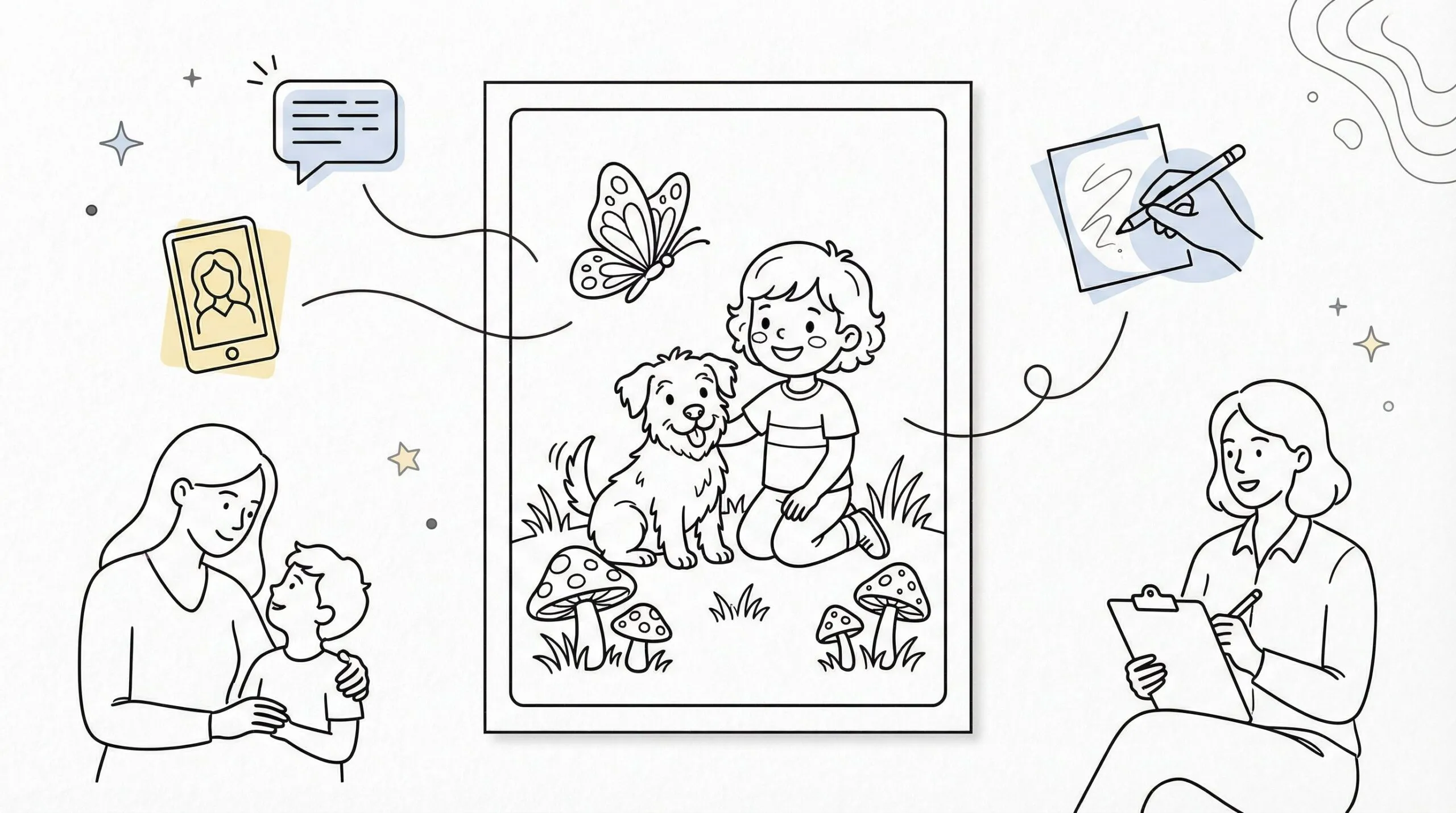
Custom coloring pages can turn a family photo, a classroom idea, or a quick sketch into something kids and adults will actually use. That’s the appeal: they feel personal, which means people are more likely to engage, color, and keep them.
If you’re a parent, teacher, therapist, small business owner, or someone who just wants a calmer creative habit, this guide shows you exactly how to make custom coloring pages from prompts, photos, or sketches. No fluff. Just practical steps, smart examples, and what to do today.
Key Takeaways
- Custom coloring pages engage users more because they are personalized, making activities like family time, teaching, or therapy more meaningful.
- You can create custom coloring pages from text prompts, photos, or sketches, choosing the method that fits your skill level and purpose.
- Using clear photos or detailed prompts improves the quality of custom coloring pages, resulting in cleaner and more enjoyable designs to color.
- Custom coloring pages serve multiple roles: educational tools, calming activities, personalized gifts, and even products for small businesses.
- Formatting for print with appropriate margins, line weight, and file types ensures your custom coloring pages are user-friendly and ready for sharing or selling.
- Starting with one custom coloring page quickly lets you assess its fit for your needs—whether for teaching, family fun, or creative outlets.
What Custom Coloring Pages Are And Why They Work For Families, Teachers, Therapists, And Creators
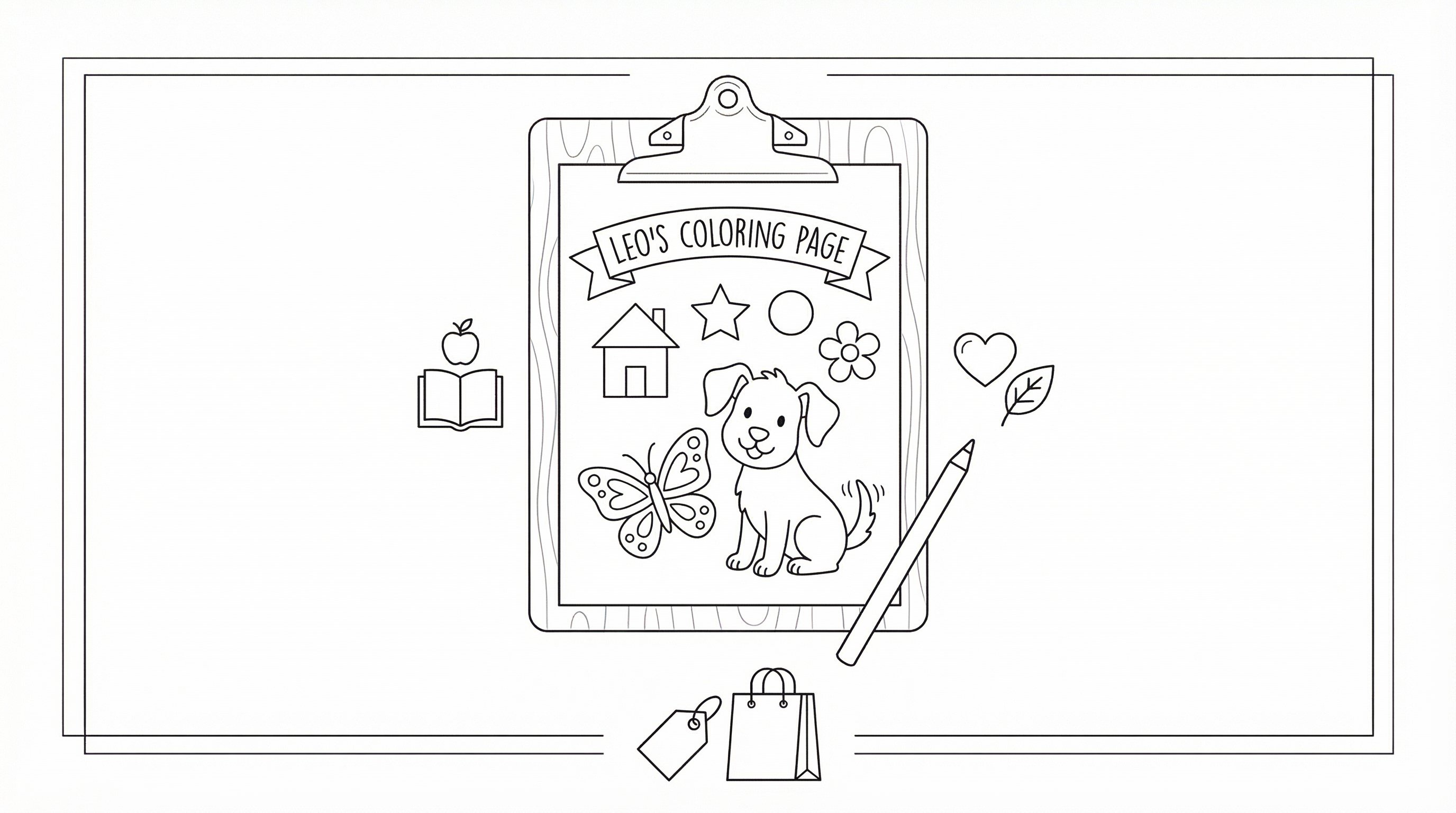
Custom coloring pages are personalized black-and-white designs made for coloring. They can start from a text prompt, a photo, or a hand-drawn sketch, which means you’re not stuck using generic pages that only sort of fit your goal.
That small shift matters. A page based on your child’s dog, your Sunday school lesson, or your therapy theme instantly feels more relevant, which means people tend to focus longer and care more about the activity.
For families, custom coloring pages work because they mix memory and play. A birthday party page with the child’s name, favorite animal, and age becomes both an activity and a keepsake, which means one printable can do two jobs at once.
For teachers, the value is practical. You can turn a lesson topic into a low-prep worksheet, think habitats, community helpers, historical figures, or sight words, which means the page supports learning instead of feeling like filler. Reports from education coverage often point to engagement as a major classroom hurdle, and personalized materials help because students recognize themselves in the task.
For therapists and adults, coloring can support regulation and calm. The structure is simple, repetitive, and low-pressure, which means it can be easier to start than journaling or open-ended art. That doesn’t make custom coloring pages a medical treatment, and this advice is not for urgent mental health needs, but it can be useful for mindfulness routines, waiting rooms, and gentle creative breaks.
For creators, churches, and small business owners, custom coloring pages are surprisingly flexible.
- Party favors
- Event handouts
- Classroom packets
- Lead magnets
- Personalized gifts
- Printable shop products
Real examples of what people make show how broad the use cases are, which means you can start small and still build something useful or sellable.
And yes, the format works especially well for beginners. You don’t need advanced illustration skills to produce custom coloring pages now, because tools can simplify photos and prompts into clean line art, which means the barrier to entry is much lower than it used to be.
If you teach, sources like Khan Academy have long supported visual and multimodal learning approaches, which means pairing content with an activity page can help some learners stay with the lesson longer.
Who this is for: parents, teachers, therapists, churches, Etsy sellers, and adults who want a simple creative outlet.
Who this is not for: professional illustrators looking for fine-art control on every line, or anyone needing clinical-grade therapy tools.
Do this today: pick one real use case and write it down in 2 minutes. Try: “I need custom coloring pages for a 2nd grade butterfly lesson” or “I want a custom coloring page from our family beach photo.” That clarity makes the next step much easier.
How To Make Custom Coloring Pages From Prompts, Photos, Or Sketches
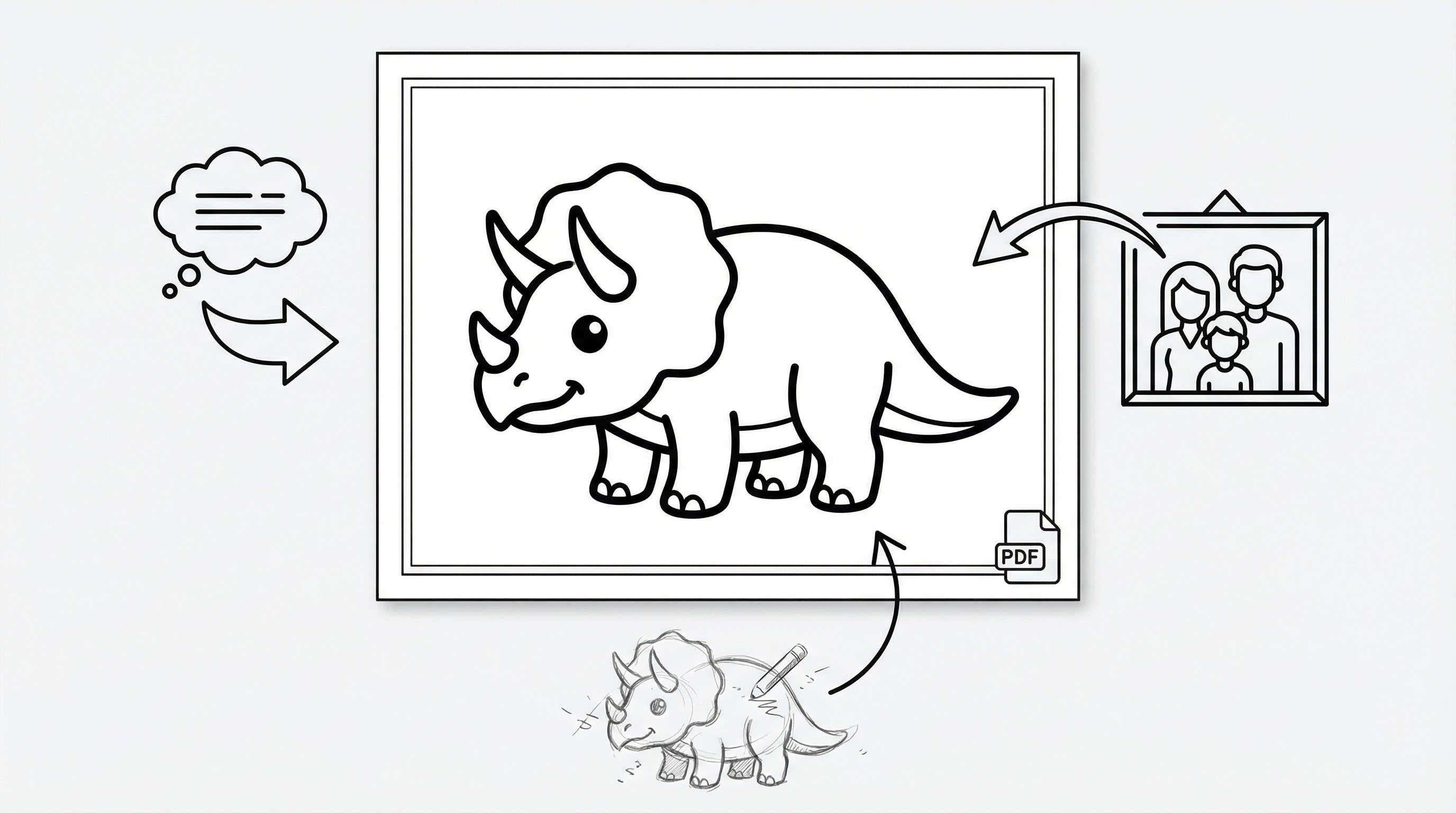
There are three common ways to make custom coloring pages: from a prompt, from a photo, or from a sketch. The best option depends on what you’re starting with and how much control you want.
Option 1: Start with a text prompt
Use this if you have an idea but no image yet. A prompt-based coloring page generator can create clean printable art in seconds, which means you can test multiple concepts fast.
Write your prompt like this:
- Main subject: “friendly fox”
- Style: “simple coloring page, bold outlines”
- Audience: “for preschoolers”
- Background: “few large mushrooms and grass”
- Print goal: “black and white line art, no shading”
A stronger prompt gets better results. “A cute dinosaur coloring page” is okay. “A simple triceratops coloring page for kindergarten, thick lines, large spaces, no tiny details” is much better, which means less cleanup later.
If you want to build a themed set, make your own coloring book from related prompts instead of generating random pages one by one. That keeps the style more consistent, which means the final PDF feels intentional.
Option 2: Convert a photo into line art
This is the fastest route when the emotional value matters. A child’s portrait, a family pet, a church event photo, or a classroom mascot can become custom coloring pages with a photo to coloring page tool, which means ordinary pictures turn into interactive printables.
Here’s how to get better results:
- Choose a clear photo. Strong lighting and one main subject work best, which means outlines are easier to recognize.
- Avoid cluttered backgrounds. Busy kitchens and crowded playgrounds create messy line art, which means coloring becomes frustrating.
- Crop tightly. Focus on faces, pets, or one object, which means the page stays readable.
- Simplify details. If the tool offers style controls, choose cleaner lines and fewer textures, which means it prints better.
If you want a fuller walkthrough, this guide on turning a picture into a coloring page explains the process step by step.
Option 3: Upload a sketch or rough drawing
This is great for teachers, artists, and creators who already have a concept on paper. Even a rough pencil drawing can become polished custom coloring pages after cleanup, which means you keep your original idea without having to ink everything by hand.
Start with:
- Dark, readable lines
- Minimal overlap
- One clear subject per page
- Plenty of open space for coloring
Then refine the page. A quick how to make a coloring page process usually includes cleaning stray marks, thickening key outlines, and removing gray shadows, which means the printable version looks cleaner than the original sketch.
Final assembly: make it printable
Once you have your design, format it for actual use. This is the part people skip, and it shows.
Use these checks before printing or selling:
- Paper size: 8.5 x 11 inches for US classrooms and home printers
- Margins: keep art away from edges, which means nothing gets cut off
- Line weight: medium to bold, which means crayons and markers stay inside shapes more easily
- Detail level: age-appropriate, which means younger kids aren’t overwhelmed
- File type: PDF for packs, PNG for single-page downloads
For classroom use, material quality matters. Guidance from the U.S. Department of Education regularly emphasizes accessibility and age appropriateness, which means simpler, clearer layouts usually serve more learners better.
If you plan to sell or bundle pages, custom coloring books are the natural next step. One page is nice. A themed set is a product, which means your effort has more long-term value.
Who this is for: beginners, busy teachers, parents making activities, and creators testing product ideas.
Who this is not for: people needing highly detailed licensing workflows or museum-level illustration output.
Start by doing this today: spend 15 minutes making one page using just one method, prompt, photo, or sketch. Print it immediately. You’ll spot what needs fixing much faster on paper than on a screen.
Conclusion
Custom coloring pages work because they’re personal, practical, and easy to use. You can make them from an idea, a photo, or a sketch, which means almost anyone can create something printable without advanced design skills.
Start small. Make one page for one person or purpose in the next 15 minutes. That single test is usually enough to show you whether custom coloring pages belong in your classroom, home, shop, or self-care routine.
Custom Coloring Pages FAQ
What are custom coloring pages and why are they popular?
Custom coloring pages are personalized black-and-white illustrations created from photos, sketches, or prompts. Their personal relevance makes them more engaging, encouraging longer focus and enjoyment for kids and adults alike.
How can I create custom coloring pages from a photo?
You can convert a clear, uncluttered photo into line art using AI-powered tools, which simplify details for easy coloring. Selecting a focused subject and avoiding busy backgrounds improves the quality of your custom coloring page. Learn more about this process with a photo to coloring page tool.
Who benefits most from using custom coloring pages?
Families, teachers, therapists, and creators benefit significantly: families get keepsakes, teachers engage students with relevant lessons, therapists use them for mindfulness, and creators can make personalized products or event favors.
What is the best way to start making custom coloring pages from prompts?
Start with a detailed prompt specifying the subject, style, audience, and background. For example, ‘a simple fox coloring page for preschoolers with bold outlines and few background elements’ helps the coloring page generator produce better results quickly.
Can custom coloring pages support classroom learning effectively?
Yes, customized coloring pages help students engage by linking activities to lesson topics, supporting visual and multimodal learning. Educational authorities highlight that personalized materials improve focus and make learning more interactive.
Are custom coloring pages suitable as stress-relief tools for adults?
While not a substitute for clinical therapy, custom coloring pages offer a low-pressure, repetitive activity that can promote calm and mindfulness during breaks or waiting periods, making them a helpful creative outlet for stress regulation.